
How to Automate Bookkeeping: The Ultimate 2025 Guide for Streamlined Finances
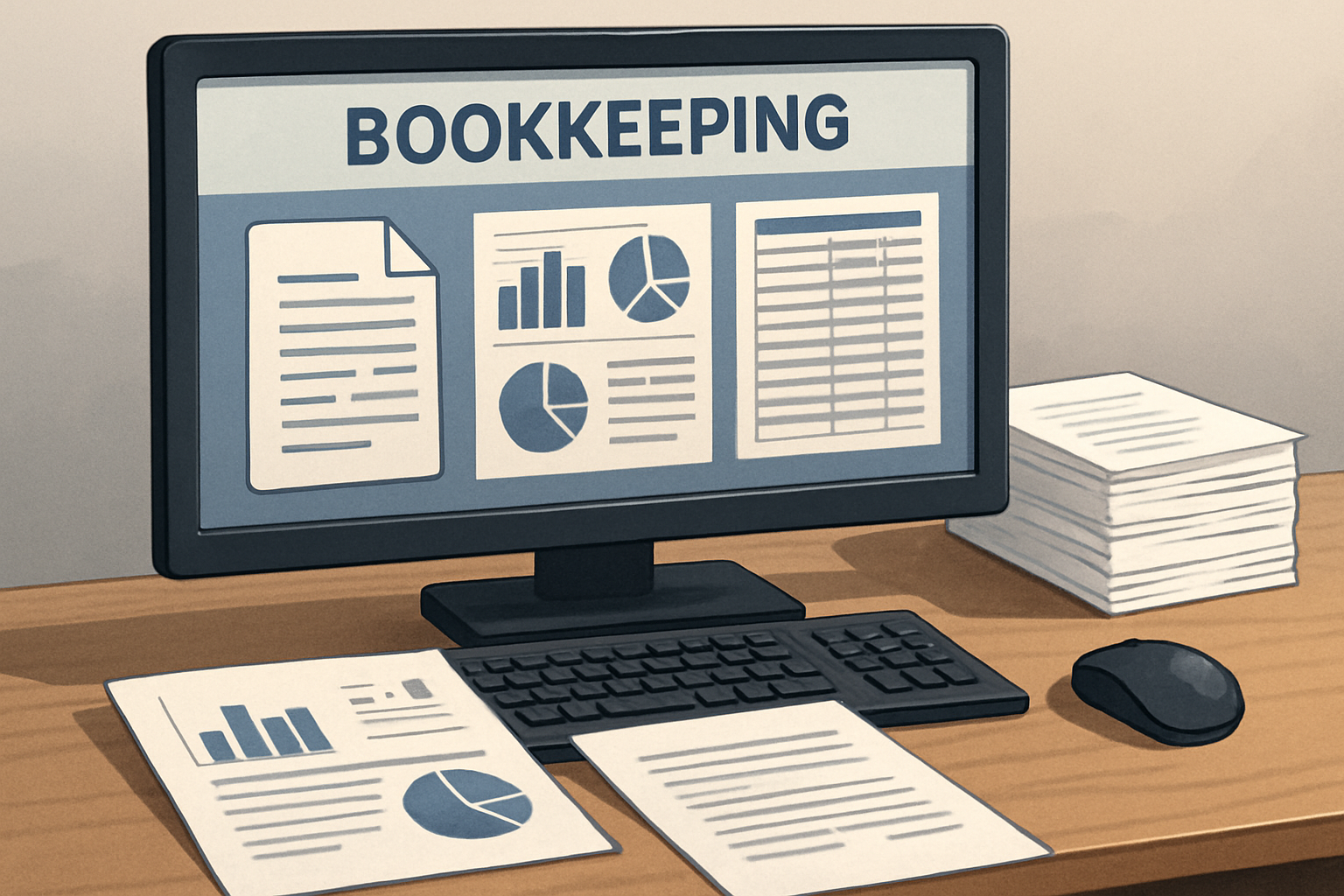
Bookkeeping is fundamental to any successful business.
But what are the best ways to automate it?
This guide offers a complete cheatsheet on how to automate bookkeeping effectively.
Some are smart software integrations that sync financial data with ERP systems.
Some are AI-powered tools that auto-categorize expenses in real time.
Some are workflow automations that cut down month-end close from weeks to minutes.
Some are policy customizations ensuring compliance across currencies and tax regimes.
Some are digital receipt capture systems replacing lost paperwork.
Let’s dive right in.
Table of Contents
- Why Automate Bookkeeping?
- Key Tools for Bookkeeping Automation
- Strategies to Automate Your Bookkeeping
- Overcoming Common Bookkeeping Challenges
- Best Practices for Sustained Automation Success
- Advanced Automation Features to Leverage
- The Future of Bookkeeping Automation
- What’s Your Next Step?
Why Automate Bookkeeping?
Manual bookkeeping is prone to errors and inefficiencies.
Tasks like data entry, invoice matching, bank reconciliation, and expense categorization often involve human mistakes.
In fact, manual errors can cascade into misleading financial reports, compliance risks, and wasted time chasing inconsistencies. Automating these processes removes the human error factor, increasing accuracy and reliability.
Automation can reduce month-end close cycles from weeks to minutes by using AI to auto-categorize expenses and sync real-time data with ERPs.
When routine tasks get automated, accountants can focus on strategic initiatives—such as financial planning and delivering business insights.
Accounting software tools that integrate these automated capabilities have matured rapidly since the 1950s, evolving from mechanical adding machines to today’s AI-driven platforms, like Accounting Seed.
Automation also enhances security by enforcing role-based access, audit trails, and minimizes fraud risks through built-in controls and real-time transaction monitoring.
It improves compliance, with automated tax rate calculations and audit-ready reports, crucial for complex multi-entity and multi-currency businesses.
The best part? Automation scales with your business, reducing bottlenecks as transaction volumes grow.
(Verified with Accounting Seed and Brex, 2025-08-14)
What bookkeeping tasks would you most want to automate for your business?
Key Tools for Bookkeeping Automation
The foundation of automating bookkeeping lies in leveraging the right technology stack. Here’s a breakdown of essential tools:
1. AI-Powered General Ledger Coding
Modern systems use AI-generated suggestions for general ledger (GL) coding, accelerating transaction categorization and reducing manual errors. For instance, Brex’s accounting platform provides custom mapping rules and real-time spend auto-categorization tailored to your unique chart of accounts and policies.
2. Merchant Mapping and Expense Fields Automation
Automatic mapping of merchant transactions ensures expenses are recorded correctly, saving hours of reconciliations. AI can learn from previous transactions and improve accuracy over time.
3. Automated Data Syncing with ERPs
Bidirectional syncing enables seamless import/export of financial data between your bookkeeping system and ERP, ensuring data consistency. Custom CSV templates make integration flexible for all sizes of businesses.
4. Digital Receipt Capture & Storage
Mobile apps and cloud platforms let employees snap photos of receipts instantly. Automated matching of receipts to transactions eliminates lost paper trails, which otherwise cause delays and audit issues.
5. Vendor Payment Workflow Automation
Accounts payable automation captures invoice data with OCR, routes approvals automatically with built-in controls, and schedules payments on time, reducing late fees and duplicate payments.
6. Dashboard & Financial Analytics Tools
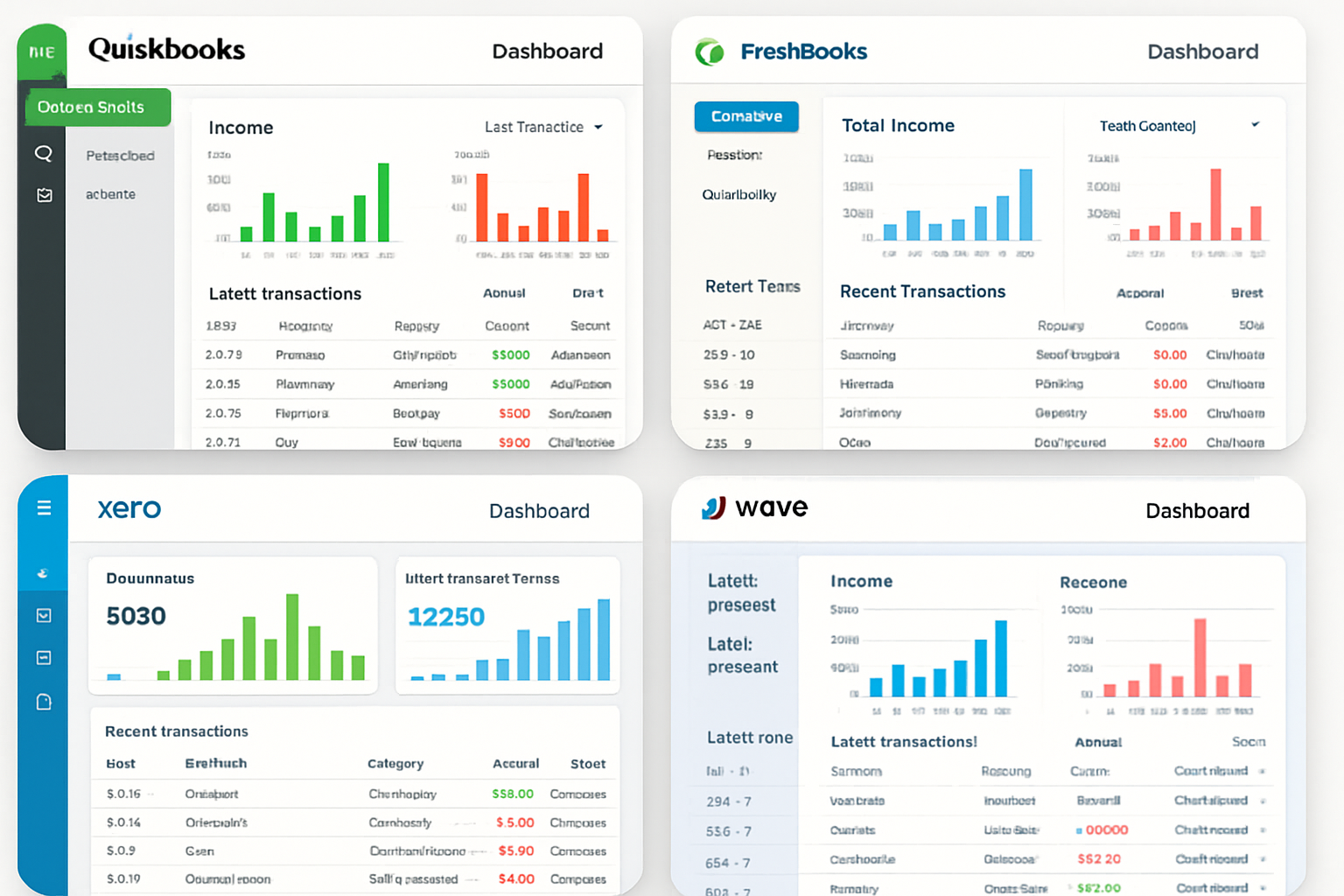
Automation software offers financial dashboards that display critical metrics like cash flow, profit, and budgets in real time. This visibility enables timely financial decision-making.
7. Multi-Entity and Multi-Currency Support
For companies with multiple entities or operating in various tax jurisdictions, automation platforms customize local policies, tax rates, and currency conversions automatically to ensure compliance globally.
(Source: Brex, Accounting Seed)
Strategies to Automate Your Bookkeeping
Implementing bookkeeping automation is more than picking software; it requires a strategic approach.
Step 1: Assess Your Current Processes
Start by auditing manual tasks—focus on repetitive ones like data entry, receipt handling, invoice approvals, and reconciliations. Identify bottlenecks and pain points that automation can solve.
Step 2: Choose the Right Automation Tools
Select tools that fit your business size and complexity. Prioritize platforms that offer:
- Easy integration with existing systems
- Customizable workflows for your unique accounting rules
- Robust security and compliance features
- User-friendly interfaces to reduce training time
For example, Accounting Seed offers native Salesforce integration to unify CRM and accounting data, boosting operational efficiency.
Step 3: Digitize Your Recordkeeping
Replace manual paper workflows with digital receipts and documents. Cloud storage ensures accessibility and audit readiness. Digital client portals enhance communication and security, eliminating scattered email chains.
Step 4: Standardize Expense & Payment Policies
Create clear, automated expense categories and approval rules. Set spending limits with virtual cards to prevent unauthorized purchases. Automate recurring billing and payables to save significant administrative time.
Step 5: Automate Bank and Credit Card Reconciliations
Link your bank accounts directly to your accounting software. The system downloads transactions automatically, matches payments, and flags anomalies for review.
Step 6: Train Your Team and Monitor Progress
Schedule training sessions to get your accounting team up to speed on new automated workflows. Monitor KPIs such as reduced close times, error rates, and staff satisfaction.
Looking for a practical walkthrough? Check out how to automate bookkeeping with QuickBooks AI for a step-by-step guide.
Overcoming Common Bookkeeping Challenges
Every business faces hurdles when automating bookkeeping. Knowing how to resolve them helps smooth the transition.
1. Integration Issues
Legacy systems or disparate tools may not communicate well. Solve this by choosing platforms supporting your ERP and streamlining vendor payments, as seen with Brex’s bidirectional data syncing.
2. Data Accuracy Concerns
Manual errors cause inaccurate financial reports. Automation reduces errors significantly by auto-validating data, leveraging AI to flag discrepancies, and standardizing data entry.
3. Resistance to Change
Your team might be hesitant. Address this with clear communication about benefits, simple onboarding, and highlighting how automation reduces boring tasks and enables more meaningful work.
4. Lost or Missing Documentation
Manual chasing of receipts wastes time. Automated receipt capture tools digitally store proofs of purchase, securely accessible anytime.
5. Compliance and Security Risks
Automated role-based permissions and audit trails prevent unauthorized changes and keep records audit-ready. Integrated tax compliance ensures accurate sales tax and VAT handling.
Best Practices for Sustained Automation Success
Automation is an ongoing journey, not a one-time fix. Adopt these best practices:
- Continuously Define and Refine Rules: Update expense categories, approval workflows, and GL coding rules regularly to align with evolving business needs.
- Integrate Across Departments: Enable finance teams to collaborate closely with sales, procurement, and operations through shared data platforms.
- Leverage Real-time Reporting: Use dashboards that refresh continually to monitor cash flow and financial health proactively.
- Invest in Employee Training: Keep your team informed on new features and encourage feedback to improve automation adoption.
- Plan for Scalability: Choose flexible software that adapts as your company grows or adds new income streams to stay future-proof.
- Maintain Human Oversight: While automation handles the repetitive, accountants should validate and provide strategic insights.
For comprehensive automation strategies and software recommendations, view The Ultimate 2025 Guide to Accounting Workflow Automation.
Advanced Automation Features to Leverage
Take your bookkeeping automation further with these specialized capabilities:
Custom GL Coding Mapping Rules
Create tailored coding rules for complex accounting fields, automating even non-standard transactions tailored to your business needs.
Multi-Entity Controls With Localized Policies
Automate the consolidation of financials across multiple companies, with local tax regulations, currencies, and compliance managed automatically.
Automated Budgeting and Spend Limits
Set budgets and spending policies in software, enabling auto-approval of in-policy expenses and blocking out-of-policy spends at transaction time.
AI-Generated Anomaly Detection
Spot irregularities or potential fraud with AI algorithms analyzing spending patterns and flagging doubtful records for review.
Automated Recurring Entries and Billing
Save time on repetitive journal entries, bills, and payment schedules by automating these with customizable workflows.

The Future of Bookkeeping Automation
Bookkeeping automation continues to evolve rapidly, powered by innovation in AI, cloud computing, and cross-platform integration.
We can expect:
- Greater AI Specialization: AI will handle more complex tasks, like forecasting and nuanced compliance checks, elevating accountants’ roles to strategic advisors.
- Seamless API Ecosystems: Connected ecosystems of accounting, ERP, CRM, and banking apps will automate the entire financial workflow end-to-end.
- Real-Time Financial Insights: Live data feeds will enable instant updates on a company's financial health, empowering dynamic decision-making.
- More User-Friendly Designs: Intuitive automation software will minimize learning curves and encourage widespread business adoption.
Automation won’t replace accountants but will free them to specialize deeply and act as strategic partners in business growth and compliance.
Businesses investing now in scalable automation software like Accounting Software for Accounting Firms in 2025 set themselves up for long-term success.
What’s Your Next Step?
Tell us in the comments: How will you apply this to your bookkeeping? For personalized advice, contact us!